




Variations on Strindberg
cameraless photography
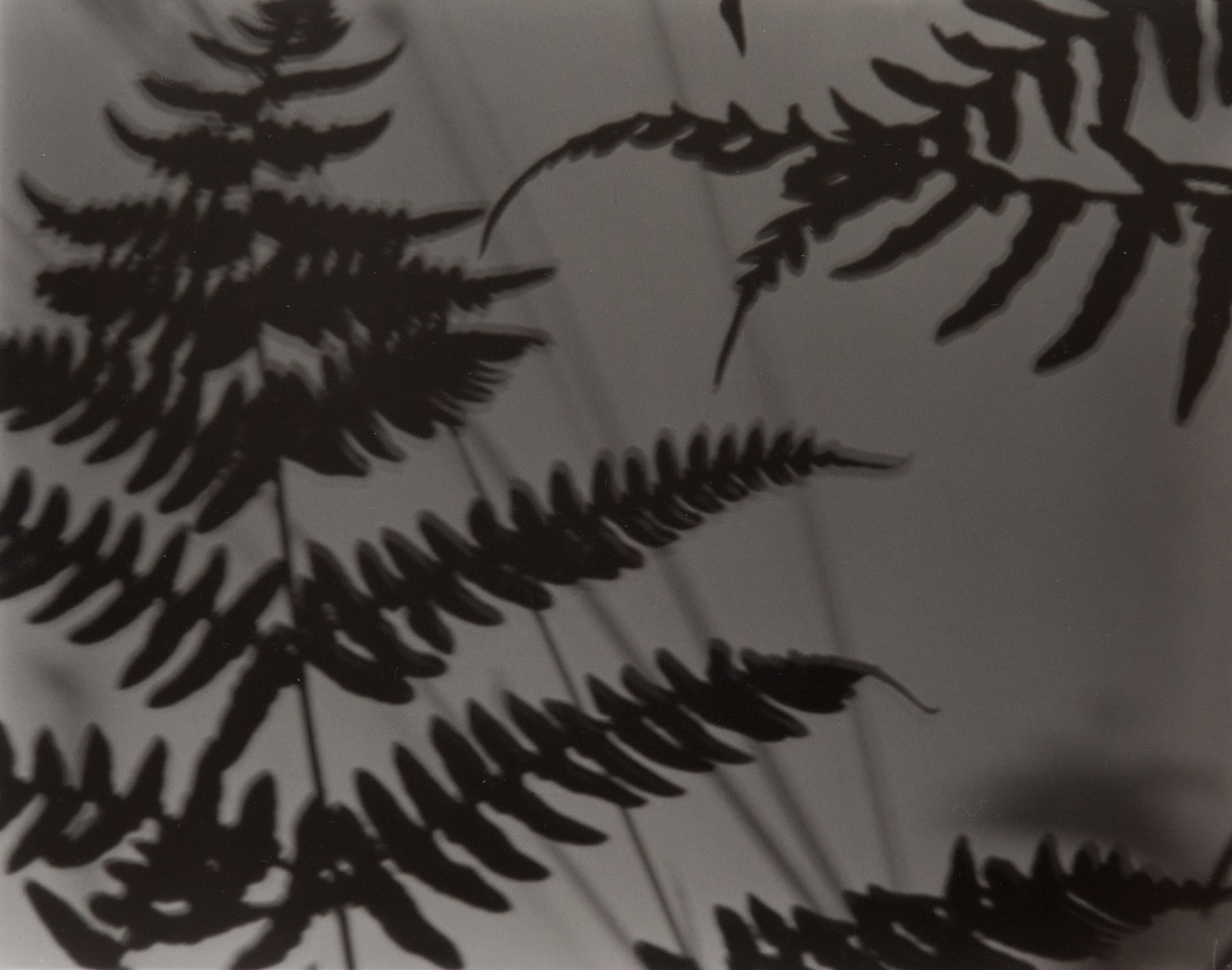
unique exposures on photo paper, 18×24 cm
gelatin silver prints from 4×5 inch negatives, 28×35 cm / 84×112 cm
When I was a child I often wondered what the world would look like if I were able to see it not through my own eyes. If the world, seen through somebody else’s eyes, might appear totally different.
My eyes send nerve impulses – raw data, so to speak – that are interpreted by my brain: a process of translation that generates images out of electric impulses. This is as far as I thought I understood. But what would the world look like without a brain having to interpret the visual signals? What does the world really look like?
I came across the work of the Swedish writer, painter, and artist August Strindberg, who must have had similar thoughts when he developed the concept for his celestographies, his sky images in the 1890s.
Strindberg wondered what a depiction of the sky would look like without being altered by a photographic device. He mistrusted optical devices, like photo cameras, or even the human eye. So he refrained from using any kind of photographic apparatus or lenses and started experimenting by placing light-sensitive plates directly under the nightly sky, hoping to gain a true, unaltered image of the firmament. His results are well worth seeing – yet whether they show a depiction of the starlit sky is highly doubtful.
During an artist residency in Sweden, I started my own photographic experiments, following the idea of getting undistorted, “true” images of the world by working directly with photographic film and paper during the night.
I used both black-and-white photo paper and 4×5″ negative film, and exposed them to moonlight. The photo paper led to unique prints. From the negatives, I later made analogue prints on fiber-based (baryta) paper.
These images were made without a camera – not even a camera obscura. There was nothing between the film and the surrounding nature. These images are not written with light; they are written with shadow.
One might be reminded of the Greek philosopher Plato and his famous Allegory of the Cave. Maybe we have no idea yet of what the world really looks like, and all we see are just shadows of a distant truth.